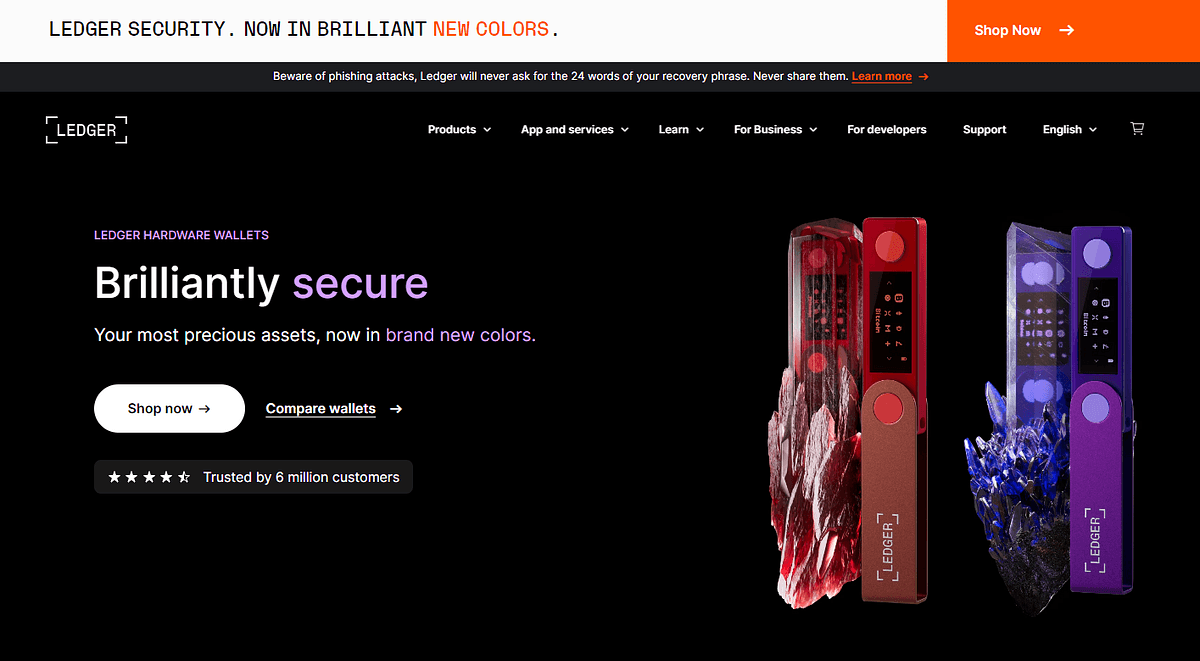
Ledger Login: The Ultimate Guide to Secure Cryptocurrency Access
In the rapidly evolving world of cryptocurrency, security is paramount. Unlike traditional financial assets, digital currencies are stored on the blockchain, meaning there is no central authority to recover your funds if they are lost or stolen. This makes it essential to use a hardware wallet, and Ledger is one of the most trusted solutions for secure crypto storage.
Ledger Login is the process of accessing your Ledger hardware wallet to manage, send, and receive cryptocurrencies safely. By combining a physical device with Ledger’s official software, Ledger Live, users can interact with their assets securely, ensuring private keys remain offline at all times.
This guide provides an in-depth look at Ledger Login, including setup instructions, usage, security best practices, integration with decentralized finance (DeFi) and Web3, and troubleshooting tips. Whether you are a beginner or an experienced crypto investor, this guide ensures you can manage your digital assets safely.
What is Ledger and Ledger Login?
Ledger is a hardware wallet manufacturer known for products like the Ledger Nano S and Ledger Nano X. These devices store cryptocurrency private keys offline, providing robust protection against hacks, malware, and phishing attacks.
Ledger Login refers to accessing your Ledger wallet via Ledger Live, the official companion app. Ledger Login allows you to:
View cryptocurrency balances and transaction history
Send and receive digital assets
Swap cryptocurrencies safely within the app
Access DeFi platforms and Web3 applications securely
The combination of hardware security and Ledger Live software ensures that private keys never leave the device, even during login or transactions, offering a high level of security.
Why Ledger Login is Crucial
Ledger Login is not just about entering a PIN or opening an app—it is a security gateway to your cryptocurrency. Here are the main reasons it’s crucial:
Secure Authentication: Your private keys stay offline, preventing unauthorized access.
Portfolio Management: Ledger Live offers an intuitive dashboard to track multiple cryptocurrencies.
Transaction Verification: Every transaction is confirmed on the Ledger device, ensuring authenticity.
Access to DeFi and Web3: Safely connect to decentralized applications without exposing private keys.
By understanding Ledger Login, users can confidently manage their digital assets while minimizing the risk of loss or theft.
Ledger Wallet Setup: Preparing for Ledger Login
Before logging in, you must set up your Ledger device properly.
Step 1: Unboxing Your Ledger
Verify that the packaging is intact.
Check for the security seal; a broken seal may indicate a compromised device.
Confirm that the package contains the Ledger device, USB cable, and instructions.
Step 2: Install Ledger Live
Ledger Live is the official app for managing your hardware wallet.
Go to Ledger.com to download the app for Windows, macOS, Linux, iOS, or Android.
Install the software following the on-screen instructions.
Launch the app and connect your Ledger device via USB or Bluetooth (Ledger Nano X supports Bluetooth).
Step 3: Initialize Your Device
Choose “Set up as new device” if you are starting fresh or “Restore from recovery phrase” if recovering an existing wallet.
Ledger generates a 24-word recovery phrase. Write it down carefully and store it securely offline.
Set a PIN code on the device to prevent unauthorized physical access.
Important: Never share your recovery phrase online or store it digitally. Ledger will never ask for it.
How Ledger Login Works
Once your device is set up, Ledger Login is straightforward:
Connect your Ledger device to your computer or mobile device.
Open Ledger Live.
Enter your PIN on the device.
Your dashboard will display accounts, balances, and recent transactions.
Confirm any actions (sending, receiving, swapping) on the device for maximum security.
Ledger Login ensures that private keys never leave the device, keeping your assets safe while allowing you to manage them conveniently.
Managing Cryptocurrencies with Ledger Login
Ledger Live provides an intuitive interface for managing multiple cryptocurrencies.
Receiving Crypto
Select the account for the cryptocurrency you want to receive.
Click “Receive” to generate a wallet address.
Verify the address on your Ledger device to prevent tampering.
Share the address to receive funds securely.
Sending Crypto
Select the cryptocurrency account and click “Send.”
Enter the recipient’s address and the amount.
Confirm the transaction on the Ledger device to ensure authenticity.
Swapping Cryptocurrencies
Ledger Live includes a built-in exchange feature for safe swaps.
Confirm all swap transactions on your device.
Ledger partners with exchange providers to ensure secure and compliant transactions.
Security Features of Ledger Login
Ledger Login combines multiple layers of security:
Offline Private Keys: Keys never leave the device, making remote hacks nearly impossible.
PIN Code Protection: Prevents unauthorized physical access.
Passphrase Option: Adds an extra layer of security with a hidden wallet.
Transaction Verification: Every transaction must be approved on the device.
Firmware Updates: Regular updates improve security and functionality.
By following Ledger Login best practices, you minimize risk while interacting with your cryptocurrency portfolio.
Ledger Login for DeFi and Web3
Ledger devices allow safe interaction with DeFi protocols and Web3 applications:
Connect Ledger to Ethereum-compatible DApps via Ledger Live or MetaMask integration.
Approve all transactions on the device to protect private keys.
Participate in staking, lending, borrowing, or NFT marketplaces securely.
This functionality transforms Ledger from a simple storage device into a gateway to the decentralized finance ecosystem.
Ledger Hardware Wallet Models
Ledger offers two main hardware wallet models:
Ledger Nano S
Affordable and compact
Supports major cryptocurrencies
Connects via USB only
Ideal for beginners
Ledger Nano X
Advanced model with Bluetooth connectivity
Supports more cryptocurrencies simultaneously
Can connect to mobile devices
Suitable for active traders and crypto enthusiasts
Both models use Ledger Login and Ledger Live for secure access and management.
Best Practices for Ledger Login
Store Recovery Phrase Offline: Use a fireproof safe or secure storage.
Enable Passphrase Protection: Creates a hidden wallet for extra security.
Keep Software Updated: Regularly update Ledger Live and firmware.
Verify URLs and DApps: Only connect to official platforms.
Confirm Transactions on Device: Always check recipient addresses and amounts on the Ledger device.
Following these practices ensures your Ledger wallet remains secure from both physical and digital threats.
Troubleshooting Ledger Login
Device Not Recognized
Check USB connections or Bluetooth settings (Nano X).
Restart Ledger Live and reconnect the device.
Update device firmware if necessary.
Forgotten PIN
Use your recovery phrase to reset the device.
Avoid multiple incorrect attempts; the device may wipe itself after several failed tries.
Transaction Issues
Ensure sufficient network fees are provided.
Verify addresses carefully on the device to prevent errors.
Ledger Live includes extensive support resources for troubleshooting common issues.
Ledger Login vs Other Wallet Access
Ledger provides hardware-level security compared to software wallets like MetaMask or Trust Wallet:
FeatureLedger LoginMetaMaskTrust WalletPrivate Key StorageOffline on deviceSoftware-basedSoftware-basedSecurityVery highModerateModerateMulti-Currency SupportExtensiveFocused on Ethereum ecosystemWide rangeDeFi/Web3 AccessSecureSupportedSupportedBackup24-word recovery12/24-word seed12-word seed
Hardware login provides superior protection, making Ledger ideal for long-term storage or high-value crypto holdings.
Advanced Features of Ledger
1. Ledger Live Portfolio Management
Track your crypto assets in real-time.
View charts, balances, and performance metrics.
Monitor multiple accounts and cryptocurrencies from one dashboard.
2. Ledger Live Swap and Exchange
Swap crypto directly within Ledger Live.
Confirm all swaps on your device for security.
Avoid using unverified exchanges, reducing risk of fraud.
3. Ledger Device Passphrase
Create an additional hidden wallet with a passphrase.
Even if someone accesses your main wallet, your hidden wallet remains protected.
4. DeFi and Web3 Integration
Participate in staking, yield farming, and lending protocols.
Interact with NFT marketplaces and DApps securely.
Ledger ensures private keys are never exposed, even during these operations.
Advantages of Ledger Login
Maximum security with offline private key storage
Multi-asset support for diverse portfolios
User-friendly Ledger Live interface
Safe access to DeFi, Web3, and NFTs
Recovery with 24-word seed or optional passphrase
Limitations
Requires a physical device for login
Firmware updates and device management are necessary
Network and swap fees may apply
Desktop or mobile software required for full functionality
Despite these minor limitations, Ledger Login is one of the safest and most reliable ways to manage cryptocurrency.
Conclusion
Ledger Login is the secure gateway to managing cryptocurrency assets. By combining the offline security of Ledger hardware wallets with the user-friendly Ledger Live software, users can safely send, receive, and track multiple cryptocurrencies while minimizing the risk of theft or hacking.
Whether you are a beginner or an experienced investor, Ledger Login provides peace of mind and robust security. Following best practices—storing your recovery phrase offline, enabling passphrases, confirming transactions on the device, and keeping software updated—ensures your digital assets remain protected while you explore the growing DeFi and Web3 ecosystem.
Ledger Login is more than a way to access your wallet—it’s a trusted, secure method to manage, protect, and grow your cryptocurrency holdings.