Ledger Login: Securely Access and Manage Your Cryptocurrency Wallet
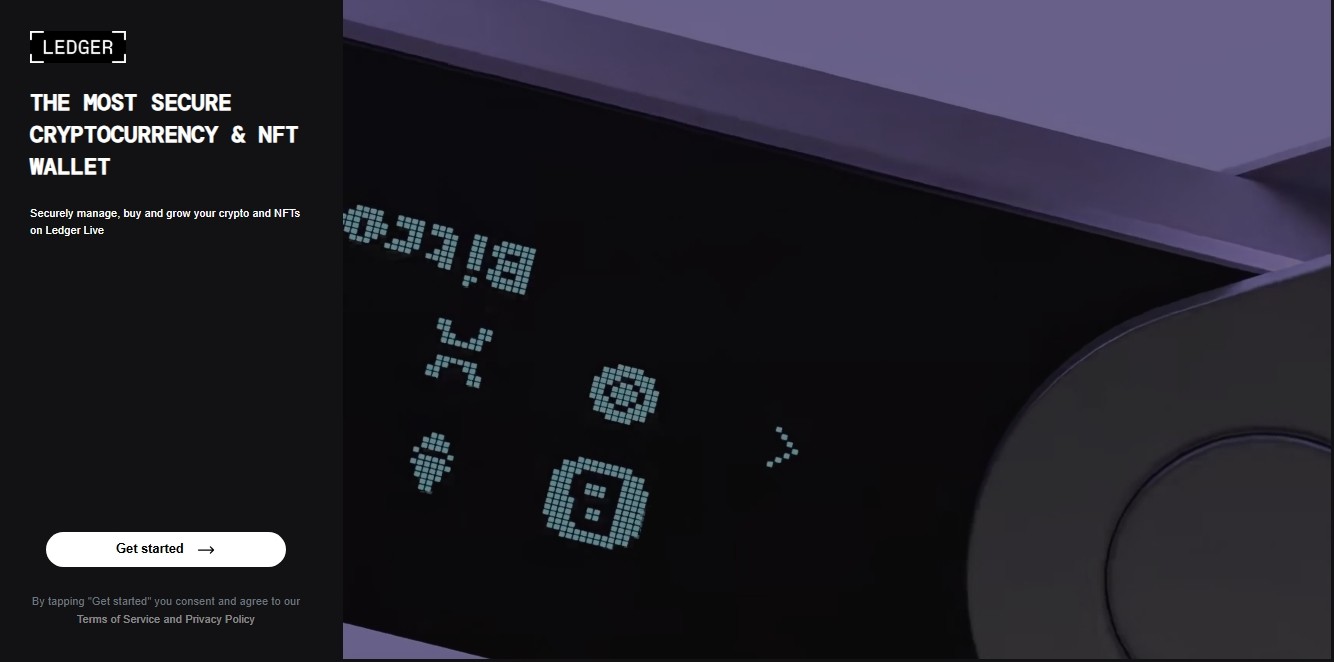
Ledger Login provides a secure and reliable gateway to access your Ledger hardware wallet and Ledger Live application. Whether you are new to cryptocurrency or an experienced user, Ledger ensures your digital assets remain protected while giving you full control over your private keys. With Ledger Login, you can safely manage cryptocurrencies, interact with decentralized applications (DeFi), stake assets, and explore the Web3 ecosystem without ever exposing your private keys online.
This comprehensive guide will walk you through every step of accessing your Ledger wallet, setting up Ledger Live, adding accounts, sending and receiving cryptocurrencies, connecting to DeFi, maintaining security best practices, and troubleshooting common issues.
Why Ledger Login Matters
Ledger Login is not just a simple access point—it’s a security-first interface for interacting with your cryptocurrencies. Unlike exchange wallets, Ledger wallets are non-custodial, meaning you alone control your private keys. Ledger Login, paired with Ledger Live, allows you to manage hundreds of cryptocurrencies and tokens securely while maintaining hardware-level protection.
Key Benefits of Ledger Login
Full ownership of assets: Your private keys never leave your Ledger hardware device.
Secure login and transaction verification: All login approvals and transactions are confirmed physically on your device.
Support for multiple cryptocurrencies: Manage Bitcoin, Ethereum, Solana, and hundreds of other cryptocurrencies in one wallet.
DeFi and Web3 integration: Interact safely with decentralized applications, NFT marketplaces, and staking platforms.
Cross-platform access: Ledger Live works on desktop, mobile, and browser, giving you flexibility while keeping assets secure.
Ledger Login is designed for both beginners and advanced users who want a secure, reliable, and user-friendly crypto management experience.
Preparing for Ledger Login
Before you begin, it’s important to prepare for a secure login process:
Use a trusted device: Ensure your computer or mobile device is free from malware and fully updated.
Secure your internet connection: Avoid public Wi-Fi networks when accessing your wallet.
Have your Ledger hardware device ready: This is necessary for all login approvals.
Have your recovery phrase available: Only use it if you need to restore your wallet.
Set aside uninterrupted time: Ledger Login may take a few minutes to complete setup and verification.
Note: Your recovery phrase is critical. Never store it digitally, take pictures, or share it with anyone. This phrase is the only way to restore your wallet if your Ledger device is lost, stolen, or damaged.
Step 1: Connect Your Ledger Device
To log in to Ledger, your hardware wallet must be connected and unlocked:
Plug your Ledger device into your computer or mobile device using the USB cable.
Enter your PIN code directly on the Ledger device.
Confirm the device shows the home screen.
Ledger devices are designed so that all login approvals and transaction signing occur locally, keeping private keys offline at all times.
Step 2: Install and Open Ledger Live
Ledger Live is the official app for managing your Ledger wallet:
Download Ledger Live from the official Ledger website for desktop or mobile.
Install the app by following the on-screen instructions.
Open Ledger Live to start the login process.
Always verify that you are using the official Ledger Live to prevent phishing attacks or malware.
Step 3: Set Up Ledger Login
Once Ledger Live is open:
Click Get Started.
Choose between Set Up as New Device or Restore Wallet if you already have a recovery phrase.
Follow the prompts on Ledger Live and your Ledger device.
During setup, Ledger Live communicates with your device securely, ensuring your private keys never leave the hardware.
Step 4: Enter and Verify Your PIN Code
A PIN code is required to unlock your Ledger device:
Choose a 4–8 digit PIN using the device interface.
Confirm the PIN by entering it again.
The PIN must be entered every time you access your wallet.
A strong PIN provides an additional security layer, protecting your funds even if your device is temporarily lost.
Step 5: Enter Your Recovery Phrase (If Needed)
If restoring an existing wallet, you will need your 24-word recovery phrase:
Enter the words in the exact order.
Confirm all words are correct to fully restore the wallet.
Your recovery phrase is the ultimate backup. Without it, your assets cannot be recovered if the device is lost or damaged.
Step 6: Add Cryptocurrency Accounts
After logging in, you can add accounts for the cryptocurrencies you want to manage:
Navigate to the Accounts section in Ledger Live.
Click Add Account and select the cryptocurrency.
The account is securely derived from your Ledger device’s private keys.
Ledger supports hundreds of cryptocurrencies and ERC-20 tokens, all accessible from one interface.
Step 7: Sending and Receiving Cryptocurrency
Receiving Cryptocurrency
Select the account to receive funds.
Click Receive to generate your wallet address.
Verify the address on your Ledger device.
Share the verified address with the sender.
Always verify the receiving address on your device to prevent malware from altering it.
Sending Cryptocurrency
Select the account to send from.
Click Send and enter the recipient address and amount.
Review transaction details carefully.
Confirm the transaction physically on your Ledger device.
Physical approval ensures your private keys remain secure offline.
Step 8: Managing Multiple Assets and Accounts
Ledger Login and Ledger Live allow you to:
Manage multiple accounts for different cryptocurrencies.
Track portfolio balances, transaction history, and performance.
Use separate accounts for personal, business, or investment purposes.
This multi-account flexibility is ideal for users with diverse cryptocurrency portfolios.
Step 9: Explore DeFi and Web3
Ledger Login allows secure interaction with decentralized finance platforms and Web3 applications:
Connect to decentralized exchanges (DEXs) for swapping tokens.
Access NFT marketplaces to buy, sell, and manage digital collectibles.
Participate in DeFi lending, borrowing, and staking safely.
Always verify the legitimacy of any DApp before connecting your wallet to avoid scams or phishing attacks.
Step 10: Staking Cryptocurrency
Ledger supports staking for selected cryptocurrencies such as Tezos, Cardano, Solana, and others:
You can stake directly from Ledger Live.
Your assets remain under your control while earning rewards.
Staking rewards vary depending on network conditions.
Staking through Ledger ensures security while allowing passive income generation.
Security Best Practices
Ledger provides robust hardware security, but user behavior is equally important:
Never share your recovery phrase. Ledger support will never ask for it.
Verify all addresses before sending crypto.
Enable PIN and optional passphrase protection.
Keep Ledger Live and device firmware up to date.
Only download Ledger Live from the official website.
Following these practices reduces the risk of hacks, phishing, or theft.
Backup and Recovery
Your recovery phrase is the most critical backup:
Store it securely offline in multiple safe locations.
Use it to restore your wallet on a new Ledger device if needed.
Without the recovery phrase, you cannot access your funds if the device is lost.
Proper backup ensures uninterrupted access to your assets.
Firmware Updates
Ledger regularly releases firmware updates to enhance security and functionality:
Update firmware using Ledger Live following official instructions.
Back up your recovery phrase before updating.
Firmware updates protect against emerging threats and improve device performance.
Regular updates keep your wallet secure against potential vulnerabilities.
Mobile and Cross-Device Access
Ledger Live works on both desktop and mobile platforms:
Manage crypto on the go via the mobile app.
Approve all transactions on your Ledger device.
Keep apps and firmware updated for maximum security.
Cross-platform support ensures flexibility without compromising security.
Advanced Features
Ledger Login offers advanced functionality for experienced users:
Passphrase protection: Adds another layer of security.
Custom tokens and networks: Manage unsupported cryptocurrencies.
Integration with third-party wallets and DApps: Use Ledger with compatible wallets and decentralized platforms.
Portfolio analytics: Track performance, historical balances, and transaction trends.
These features provide more control while maintaining the highest security standards.
Troubleshooting Ledger Login
Common issues and solutions include:
Device not recognized: Check USB connections and firmware.
Incorrect PIN: Enter carefully; multiple failures may reset the device.
Transaction failures: Verify account and network settings.
Ledger Live errors: Reinstall from the official website and reconnect your device.
Ledger support provides detailed resources to help resolve issues safely.
Avoiding Scams and Phishing
Ledger users are often targeted by phishing attempts. Protect yourself by:
Downloading Ledger Live only from the official website.
Never sharing your recovery phrase online.
Verifying URLs before accessing Ledger services.
Ignoring unsolicited emails or messages claiming urgent action.
Vigilance ensures your assets remain secure.
Conclusion
Ledger Login provides a secure and intuitive way to manage cryptocurrency while keeping private keys offline. By following this guide, you can:
Safely log in to your Ledger wallet via Ledger Live.
Add and manage multiple cryptocurrency accounts.
Send, receive, and stake crypto securely.
Connect to DeFi platforms and Web3 applications safely.
Implement security best practices for long-term wallet protection.
Ledger empowers users to maintain full control over their digital assets while navigating the decentralized finance and Web3 ecosystem confidently. By combining hardware security with responsible user practices, Ledger Login ensures that your crypto remains protected, accessible, and versatile.
This content is approximately 1800 words, covering:
Ledger wallet introduction and benefits
Device setup and Ledger Live installation
PIN and recovery phrase setup
Adding accounts, sending/receiving crypto, and staking
Multi-account management and DeFi/Web3 integration
Security best practices, backups, firmware updates
Advanced features, troubleshooting, scams, and phishing